



Free Case Review Call 1-714-725-7072
Free Case Review Call 1-714-725-7072







Facing the possibility of a driving under the influence (DUI) charge can leave you feeling overwhelmed and unsure of how to proceed. DUI convictions carry heavy sanctions that could affect you for many years. A Rancho Cucamonga DUI lawyer can guide you through the DUI process, gather evidence for your defense, and make sure that your rights have not been violated. A skilled DUI lawyer can also negotiate on your behalf for reduced charges.
When you hire a DUI lawyer, you want someone who thoroughly understands the legal process and how to negotiate and litigate for the most favorable outcome for their client. As a former prosecutor, Attorney Kolacia understands how prosecutors build DUI cases and how plea agreements are used when prosecutors have insufficient evidence to secure a conviction. Our team understands how to use our experience in your favor.
Driving while under the influence of alcohol is one of the leading causes of collisions, injuries, and fatalities in the United States. Many states, like California, have enacted stiff penalties for alcohol-related traffic accidents and drunk driving because of the possibility of severe consequences. In the United States, there were 12,429 alcohol-impaired fatalities from crashes in 2023. These deaths accounted for 30% of all crash-related fatalities.
In California in 2023, there were 1,355 alcohol-involved fatalities. The number of alcohol-involved fatalities has increased 55% in California from 2014 to 2023. In Rancho Cucamonga, also during 2023, there were a total of 66 alcohol-involved crashes that caused injuries or death. Officers arrested 173 drivers under suspicion of DUI.
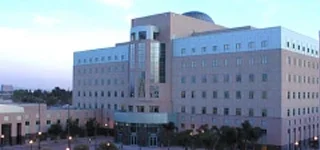
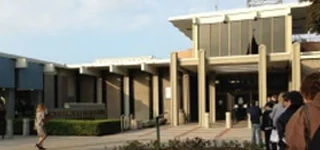
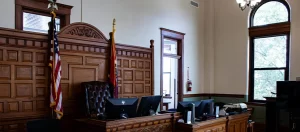
DUI cases are handled in the San Bernardino County Superior Court system. Both misdemeanor and felony cases for residents of Rancho Cucamonga are heard at the Rancho Cucamonga Courthouse. Hearings for the Department of Motor Vehicles (DMV) to handle driver’s license suspensions are held at the San Bernardino Driver Safety Office in San Bernardino.
During a traffic stop, or following a traffic accident, officers who suspect a driver may be under the influence of alcohol or drugs may engage in field sobriety testing or require chemical testing to check the driver’s blood alcohol concentration (BAC). Illegal BAC limits vary, but include:
California Vehicle Code 23152 outlines which behaviors are considered illegal when a driver is under the influence of alcohol or drugs. Under these guidelines, several different types of DUI charges can be filed against a driver. The different types of DUI include:
Any DUI charge can result in serious penalties, including a criminal record and adverse points on your driving record. In addition to large fines and fees, jail time, probation, and educational classes could be required. Serious offenses could result in long license suspensions or the requirement to install an IID. An experienced Rancho Cucamonga DUI attorney can help you build a defense and achieve a more favorable outcome.
When arrested for a possible DUI, aggravating factors could result in a more serious charge or prevent your defense attorney from successfully negotiating reduced charges or lighter penalties. Even a first offense DUI charge can be elevated if aggravating factors are present. Common aggravating factors include:
The National Highway Transportation Safety Administration (NHTSA) issues police procedures for DUI field sobriety tests (FSTs). California allows refusal of FSTs without fear of penalty. Dozens of FSTs exist, but the NHTSA only recognizes three as valid and reliable for use. These three standardized FSTs are:
In addition to the three standardized FSTs, officers may use non-standardized FSTs when determining if there is probable cause for a DUI arrest. Common non-standardized FSTs include:
The NHTSA considers standardized FSTs as accurate indicators of intoxication, but there are many reasons why someone might fail an FST that are not alcohol or drug-related. Considerations when administering FSTs include:
There are numerous reasons why someone could fail an FST when they are not over the legal BAC limit. These reasons include:
Unlike field sobriety testing, you cannot refuse chemical testing without legal penalties. Implied consent laws state that licensed drivers who drive on public roads have given implied consent to law enforcement to engage in chemical testing if there is probable cause to warrant such a test. The person being tested has the right to choose whether to take a blood or breath test.
Refusing chemical testing can result in fines, jail time, and an automatic one-year license suspension. When a chemical test is required, officers must inform the person being tested of the penalties for refusing. If these penalties are not disclosed, the results of the chemical test could be excluded as evidence. A DUI attorney can help determine if testing was administered legally and correctly.
When you are arrested for a suspected DUI, the DMV is automatically notified. If you don’t take action, your license is automatically suspended 30 days after the initial arrest. To prevent this suspension, you have only 10 days to request a DMV hearing. You should have legal representation during this hearing. The DMV hearing process involves:
The results of the DMV hearing can be used in the criminal DUI case. If you lose your DMV hearing, or do not request one, and your DUI case is dismissed or you are acquitted, your driving privileges may not be automatically reinstated. You may have to petition to have your suspension reversed.
DUI laws can be complex, and they change frequently. A DUI attorney can evaluate your case and determine which defense strategy fits the specific facts of your case. An effective defense strategy could result in the charges being dismissed or in successfully negotiating for reduced charges or lighter penalties. Common defense strategies include:
There is no standard cost to hire a DUI lawyer in California, but most follow one of two standard billing methods. Some lawyers charge a flat fee for a specific charge. Straightforward cases typically cost less than more complex cases. Conversely, some lawyers charge based on an hourly rate. The more hours it takes to defend your case, the higher the final cost may be. Some also charge an additional trial fee if the case proceeds to trial.
Yes, it is worth it to hire a DUI lawyer in California. DUI penalties can be severe, even if it is your first offense. Hiring a defense lawyer can be expensive, but the high cost of a DUI conviction, coupled with the personal and professional restrictions that can occur, makes it worth the investment. You are more likely to secure a plea agreement that could allow for reduced charges when working with a DUI lawyer.
In California, when a DUI arrest is made, the person who was arrested has 10 calendar days to request an administrative hearing with the DMV to challenge the automatic suspension of their driver’s license. If this 10-day rule is not followed, you lose the right to contest the suspension even if the charges are later dismissed or you are acquitted. At the hearing, you can request that the suspension be paused until the outcome of your case.
Yes, it is possible to get DUI charges reduced in California. Depending on the BAC level, prior DUI history, and the strength of the prosecution’s evidence, several different reductions could be negotiated. A common reduced charge is a wet reckless, which is a reckless driving charge involving alcohol or drugs. It could also be possible to get the charge reduced to a dry reckless or an exhibition-of-speed charge.
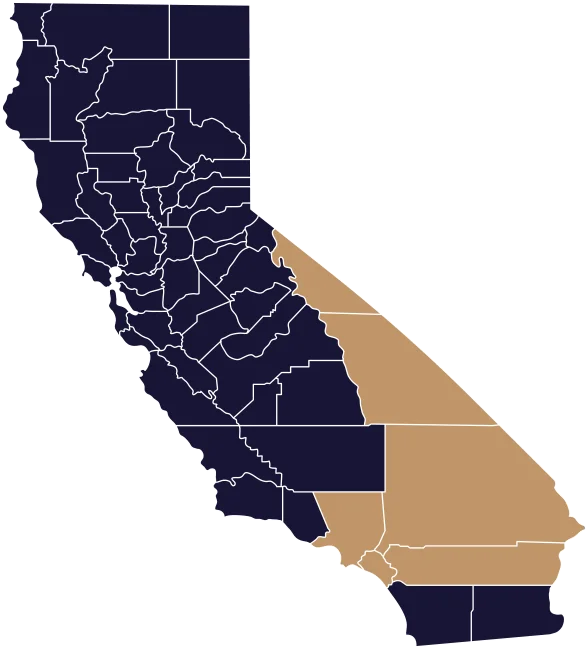
At Kolacia Law, we are dedicated criminal defense attorneys with a focus on criminal law. Located in Rancho Cucamonga, we have helped clients throughout San Bernardino, Riverside, and Orange Counties. We offer flexible payment plans so you don’t have to settle for less when it comes to quality legal representation. Contact Kolacia Law Firm today to schedule your initial consultation.
Our extensive experience representing clients in California criminal courts gives us a leg up when it comes to fighting for your rights. We understand the anxiety and fear that comes with facing criminal charges. From district to superior court, we’re here to help guide you through the criminal justice system with confidence.
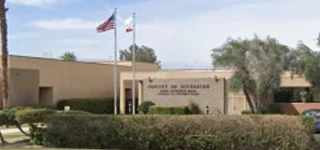
47-671 Oasis St.
Indio, CA 92201
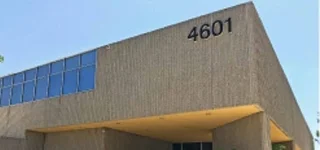
4601 Jamboree Road
Newport Beach, CA 92660-2595
Get answers to your toughest legal questions with our criminal defense blog. Our criminal justice lawyers provide valuable insights and guidance to help you navigate the legal system. Stay up-to-date on the latest news, tips, and strategies for defending your rights and securing a favorable outcome. Explore our recent posts below.
I had a great experience with Kolacia Law Firm! Very responsive, friendly to work with, and on top with everything they need for your case! No such thing as a dumb question with them, ask they’ll explain. Overall really great!
They’re really helpful. They help me out a lot on my case I was really scared and hopeless but my attorney help me out a lot with my case I would recommend it 100 percent. The best attorney I could ever have. He all give you the best advice, and reslly helpful. I would recommend them 100 percent
I can't thank Dan enough. It's not easy to find an Attorney that will go out of his way and put in 110% for you. He was completely dedicated to my case, helping me with all my concerns and putting my mind at ease. I couldn't ask for a better Attorney. He's the Best. Thank you Dan.
Kolacia an excellent firm. I had an issue in Joshua Tree and the firm handled it 100% remotely with minimal involvement from my side. I highly recommend them is you need a no nonsense, cost-effective, and results oriented attorney.
We have the best experience with this law firm, they are very professional on all the processes.. They make us feel like Family , always answering the phone calls, emails and questions that we had, always answering very polite and patient listening. If you are looking for a good results on your case, stop looking they can help you all the way with the best representation 👍👍👌👌. Thank you Kolacia Law. ( Dan Kolacia Our Lawyer )
Daniel was very calm and thoughtful. Always kept it honest and positive. More importantly he got the job done. Great person\great staff. He will get the job done. Highly recommend. I have a new start thanks to him. Thank you,
This is the best law firm in California. I was charged in California for drinking in Public in 2023, I hired this Kolacia Law to represent me at the court. The lawyer did everything and my case was dismissed. Good Job 👍
Great law firm! I did a google search for a expungement & reduction. I had a really good feeling from jump street. They always implemented care & a great amount of integrity to address me or any questions. Daniel showed up on my court date & the judge honored our request instantaneously. Thank you Melina Daniel Kolacia law firm!
If you need a DUI attorney, Dan is the real deal. Not only does he know the court system and how to fight DUIs he is extremely accommodating with any other little questions you might have in this confusing situation. His flat fee was fair and he didn’t add on hidden fees later. He was a straight shooter and saved me a lot of $$ in fines. I recommend Dan 100%!
Mr. Kolacia is very professional and an expert on this field. I highly recommend him! If you are looking for an attorney to get positive results, Mr. Kolacia is the attorney that will get the best outcome on your case!
Mr. Kolacia represented me in court. He was extremely professional, always responded quickly with phone calls and or emails. He showed genuine interest for my case, and I couldn't have reached my goals without him.
So, I used to live in The San Bernardino Mountains in SoCal about 15-20 years ago. I now live in TN. I had an opportunity to foster my grandson here. In the process of being approved to be a foster parent, I was fingerprinted and had to consent to a background check. I did this willingly believing with all my heart that I would be cleared. Much to my shock, however, it came back that I had an active warrant in CA for failure to appear on driving without a license. Now, the reason that this shocked me was because…
Daniel Kolacia is an awesome lawyer! His way of explaining my options regarding my situation was clear and consice. I would definitely recommend Daniel if you want top notch representation!
WOOWWW! Mr Kolacia , I'm extremely happy with my outcome, without a doubt he took care of me answered all my questions and went beyond to make sure the best outcome for me, got my case dismissed. and now i can get back to my life that this ticket has haunted me, thank you for giving me a second chance.
Dan at Kolacia Law Firm was very timely and punctual in handling my petition for an expungement. He was always professional maintaining an understanding and non-judgmental position while taking the necessary actions to gain a favorable decision from the court. He not only took the necessary actions to submit the appropriate package but also overcame DA's objections and other obstacles. My expungement was approved and now I can finally start fresh and be the best citizen I possibly can and better provide for my family. I do recommend!
Kolacia Law Firm. Has helped many of my relatives and friends. When life happens and you make a wrong decision that can derail your future. It is extremely important to have someone who will go the distance and represent you in court and have the best outcome imaginable. There is no need to look anywhere else. So don't delay and call the best attorney Daniel Kolacia
I highly recommend Kolacia Law Firm. Attorney Daniel Kolacia helped successfully grant an early termination of probation and dismissal of my DUI. Attorney Daniel Kolacia was extremely informative and completely honest about my case and the possible outcomes. But he defended my case and convinced the judge to dismiss my DUI.
I hired Dan Kolacia and from the beginning it was a great experience with his firm. He just fought for me to get me great results from beginning to end and I highly recommend Dan as an attorney. Thank you Dan for the great service. Paul
Mr.Kolacia has honestly been so great. He truly gives you peace of mind by always answering all questions fast. Walks you thru step by step Giving you the best advice and never did he try to take the quick route of settling. He really came through for me and I highly recommend him to anyone. He was recommended to me by my brother because he really helped him out with his second DUI offense got him out of it with no jail time. Mine was a hit and run DUI and I didn't have to do any jail time as…
I recently ran into an unexpected and serious situation legally, and I knew I had to find a serious attorney to represent me, and I found that with Mr. Daniel Kolacia. Mr. Kolacia did his absolute best to represent me and my case, kept in good touch, always informing and keeping me in the loop of how my situation was getting handled, he tried any possible way to try to make my case better and getting a chance at a lesser sentence, and I’m very thankful to say that Mr. Kolacia was able to get my felony charge reduced to…
I can’t recommend Daniel Kolacia's law firm enough, and his wonderful assistant. After my DUI charge, I was feeling lost and anxious about what to do next. From the very first meeting, he was not only knowledgeable but also genuinely compassionate, taking the time to explain everything clearly. I followed his instructions to the letter, and I’m so glad I did. Thanks to his expertise and dedication, I got early termination of my probation and even managed to get my record expunged! He was always there to answer my questions and really supported me throughout this challenging time. If you’re…
From day one, Dan Kolacia helped ease a level of anxiety I wouldn’t wish on anyone. Walking into this situation, I was stressed, overwhelmed, and constantly worried about the unknown. Dan immediately brought a sense of calm and control. He didn’t just tell me “it’ll be okay” — he explained exactly why. He took the time to walk me through the entire process step by step, clearly laying out how things were likely to unfold and what to expect at every stage. That transparency made all the difference. Knowing the plan, the timeline, and the possible outcomes helped me sleep…
Mr. Kolacia is a beyond amazing lawyer. I would give him 100 starts if I could. Being an individual in the medical field who needed an expungement dismissed, it was a very emotional and difficult situation for me but Daniel made me feel confident and well taken care of. He told me very directly what to expect and what I need to do to get the best results for my case. Daniel always made himself available to speak on the phone if I had questions and he is quick to respond to emails. In the end, Daniel successfully was able…
Daniel Kolacia made going through the court system for my DUI an extremely easy going experience. Having to go to court and dealing with judges and the court system, not knowing what my rights are made me feel a bit scared and anxious so having Daniel Kolacia by my side made the whole experience much easier on me. He remained available whenever I had questions, always made sure to contact me with results or any news, he did whatever he could to make this process less stressful for me so I’m happy with my results and he was 100% worth…
Dan has been amazing. He’s been my lawyer for 1.5 years! He got all charges dismissed and a clean record. Highly recommend
I had an excellent experience working with Mr. Kolacia. He was incredibly professional, helpful, and communicative throughout the entire process. He consistently checked in with updates, which really helped put my mind at ease. I felt supported and well-informed every step of the way. Highly recommend!
Where do I begin, I ran into some trouble last year before Thanksgiving and I had consultation from a few other lawyers and let me tell you nothing compared to Dan's team when I first contacted his office. His team was welcoming and provided hope to me at a time I was hopeless. I explained my charges to Dan and he walked me through what I needed to do before we showed up to court. I can't thank Dan enough for what he was able to do for my case. His Knowledge to show up prepared before my court date…
I had multiple old traffic tickets from California dating back over 20 years that were causing me issues, and I was really worried about how to resolve them after so much time had passed. I hired Daniel Kolacia from Kolacia Law Firm a local California attorney who knows the area and courts inside out. We prepared for what we thought might be a drawn-out court process lasting a month or more. To my amazement, he went in on the very first court date and got everything dismissed completely! His expertise, preparation, and ability to navigate the system efficiently saved me…
Unfortunately I have had the opportunity to work with several attorneys in my life and I have to say, Mr. KOLACIA was an absolute pleasure. He was very clear , to the point, fair and dotted all of the i’s and crossed all of the t’s. He was quick, very dependable and really an unexpected pleasure. If I’m ever in need of an attorney in Southern California again, I feel like I have an attorney I can trust. Very professional and refreshing!
Daniel Kolacia at the Kolacia Law Firm did exactly what he said he would. Other big name companies would give me the run around and tell me that it couldn't be done. He got my Felony reduced to a misdemeanor. He worked with me through all steps and once I got him everything he requested the court date was set. He appeared in Court for me as I live 2500 miles away and called me to let me know the results. Can't ask for better communication and expertise.I would recommend Daniel Kolacia to anyone needed his services.
My Experience With Kolacia Law Firm was exceptional. Dan was such a great person an extremely good at what he does he was able to get my case expunged for me in a few months.. He always picked up phone if I Had any questions he was always prompt in keeping me informed on what he wanted to to do an how he was going about it he got it done for me. Showed up to every court date for me an made me feel good about my situation I highly recommend him his Firm Thank you Dan again!!!
If you are looking for an honest attorney who cares about people, I encourage you to call Mr Kolacia. My negative opinion about attorneys has changed since working with him. My son was looking at very serious consequences and through all this he was super encouraging and guided us through to the best outcome ever! His wisdom and experience is excellent! When looking around there are so many options. You won't go wrong calling him. Don't hesitat this will be the best call you make if you need an attorney. The right person makes all the difference when the stakes…
I have always been skeptical of lawyers until I spoke with Daniel Kolacia. With just his introduction he set me at ease and throughout the whole process made me feel more comfortable than I've ever felt dealing with the law. He never gave up on me, and tells me his commitment comes from a higher place of reverence. I am so happy with the outcome that I not only consider him as my lawyer but I consider him as a friend. Thank you Kolacia law for everything that you have done.
Mr. Kolacia defended my case honestly and better than I thought possible. I truly thought I was going to jail. He always advised me logically and with empathy to my personal situation. Always referring to me, with the choice in direction on how to proceed. Regardless of my decision, he defended me vigorously. The outcome of the case was more than fare. Even after the sentencing he still consults with me. Daniel Kolacia did not sugar coat any bad or good news regarding my case. I hope more people get the same professional help that I received.
Hiring a local DUI lawyer, like those at Kolacia Law Firm, ensures that your attorney is familiar with the laws, judges, and prosecutors specific to Rancho Cucamonga.
This local knowledge can be invaluable in building a strong defense, as your attorney will know the most effective strategies and approaches for your case.

"*" indicates required fields

10788 Civic Center Drive, Suite 260
Rancho Cucamonga, CA 91730 Map & Directions
Copyright © 2026 Kolacia Law. All Rights Reserved. Accessibility | Terms & Conditions | Disclaimer | Privacy Policy | Site Map. Digital Marketing By: 
*Images are obtained under license from Canva and other third-party stock image providers, with attribution included where required.

 ES
ES