
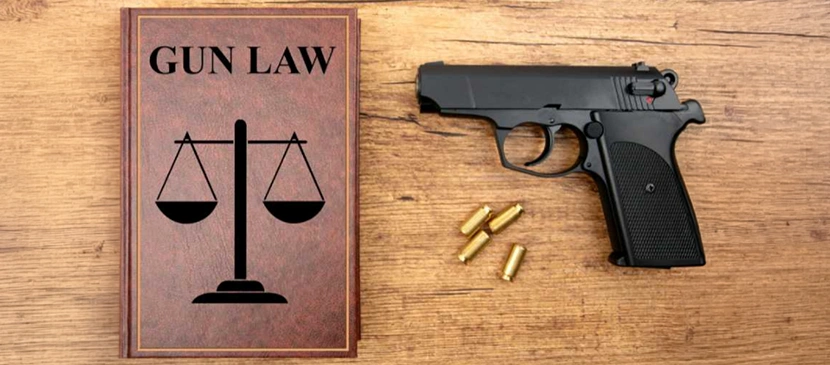

Si eres propietario de un arma de fuego en California, es importante que te mantengas al día sobre las constantes cambios en la Leyes sobre armas de fuego en California. California siempre ha estado a la vanguardia en materia de legislación sobre armas de fuego. Desde su ley de «bandera roja» para órdenes de restricción contra propietarios peligrosos de armas de fuego hasta sus restricciones sobre armas de asalto y accesorios para municiones, existen numerosas normas y regulaciones vigentes.
¿Quién puede (y quién no puede) poseer armas de fuego en California?
En California, existen varias normas estrictas que prohíben a determinadas personas comprar o poseer armas de fuego. Por ejemplo, las personas condenadas por delitos graves y aquellas con antecedentes de enfermedades mentales o adicción a las drogas tienen prohibido poseer un arma de fuego.
Además, las personas menores de 21 años no pueden comprar pistolas, mientras que las menores de 18 años no pueden comprar escopetas ni rifles. Para poseer legalmente un arma de fuego en California, es necesario obtener un permiso y cumplir con todas las normas estatales relativas a la tenencia y el almacenamiento.
California es uno de los cinco estados con mayor número de armas de fuego registradas. En 2024, California contaba con más de 418 000 armas de fuego registradas. Según un recuento acumulado de 10 años, California se situó como el tercer estado con mayor número de armas registradas, según se informó 9,3 millones de armas de fuego registradas y armas de fuego convencionales registradas aquí, entre 2015 y 2024. Debido a que estas cifras son tan elevadas, tanto las autoridades policiales como los fiscales se toman muy en serio los cargos por delitos relacionados con armas de fuego.
Compra y venta de armas de fuego
Aunque algunos defensores de las armas expresan su preocupación por la complejidad del proceso, comprar y registrar un arma de fuego en California es bastante sencillo y cuenta con pautas claras. Si quieres comprar y registrar legalmente un arma de fuego en el estado, Sigue los pasos que se indican a continuación:
- Obtener un Certificado de seguridad en el uso de armas de mano. Antes de poder comprar un arma en California, primero debes obtener un Certificado de Seguridad en el Uso de Armas Cortas (HSC). Para ello, debes aprobar un examen escrito sobre seguridad y legislación en materia de armas de fuego.
- Compra tu arma en un comercio autorizado. Todas las compras y transferencias de armas de fuego deben realizarse a través de comerciantes autorizados que realicen verificaciones de antecedentes y registren las ventas mediante el sistema de Registro de Ventas de Comerciantes (DROS).
- Espera 10 días. Después de comprar tu arma, debes esperar 10 días antes de que el vendedor pueda entregártela o transferírtela.
Si sigues estos pasos y cumples con todas las leyes pertinentes sobre armas de fuego, podrás comprar y registrar legalmente tu arma en California. Recuerda que para obtener un permiso de porte oculto es necesario seguir unos pasos adicionales a los descritos anteriormente.
Transporte y almacenamiento de armas de fuego
Para proteger tu seguridad y la de quienes te rodean, California ha normas estrictas para portar armas de fuego. Por lo tanto, es importante transportar y almacenar adecuadamente tus armas de fuego. En California, es ilegal portar un arma de fuego cargada en público, a menos que cuentes con un permiso para portar armas ocultas. Las armas de fuego deben transportarse descargadas y en un contenedor cerrado con llave en cualquier vehículo, incluidas las motocicletas.
Al guardar armas de fuego en casa, deben mantenerse fuera del alcance de los niños y de las personas a las que se les ha prohibido su tenencia. Se recomienda utilizar una caja fuerte o un cofre con cerrojo para guardarlas de forma segura. También es importante mantener la munición separada de las armas de fuego y guardarla igualmente en un recipiente cerrado con llave.
Portación oculta y portación a la vista
En California, es legal portar un arma oculta con un permiso CCW (Concealed Carry Weapon), lo cual requiere completar un curso de capacitación y someterse a una verificación de antecedentes. Sin embargo, obtener un permiso CCW puede resultar difícil debido a las restricciones sobre quiénes reúnen los requisitos y a la discrecionalidad de las autoridades locales encargadas de hacer cumplir la ley.
En California, por lo general, es ilegal portar armas de fuego a la vista, salvo en determinadas circunstancias, como en el caso de las fuerzas del orden. Algunos guardias de seguridad también pueden portar armas a la vista de manera legal mientras están de servicio, y en ocasiones existen excepciones para las personas que están cazando, acampando o se encuentran en su propiedad privada.
En general, el estado cuenta con algunas de las leyes sobre armas de fuego más estrictas del país, lo que incluye la prohibición de ciertos tipos de armas de fuego y de cargadores de gran capacidad. Es importante comprender y cumplir todas las leyes sobre armas de fuego de California en lo que respecta a los permisos para portar armas de forma oculta y a la vista, a fin de evitar posibles repercusiones legales.
Armas de fuego ilegales y armas de asalto
Según las leyes de armas de California, está prohibido ser propietario o tener en su poder ciertos tipos de armas de fuego. Esto incluye escopetas y rifles de cañón corto, armas de fuego indetectables, armas de fabricación casera (zip guns), cargadores con una capacidad superior a 10 cartuchos, armas de bolsillo y pistolas sin ánima. Ten en cuenta que la posesión de estas armas de fuego ilegales constituye una violación de la ley de California y puede ser tipificada como delito grave o menor.
Por eso, es fundamental conocer a fondo las normas estatales sobre armas de fuego antes de comprar cualquier arma. Antes de adquirir cualquier arma de fuego en California, debes asegurarte de que se encuentre dentro de las categorías permitidas por la ley para evitar problemas con las autoridades más adelante.
Lugares prohibidos
Para evitar problemas con la ley, ten en cuenta dónde están prohibidas las armas de fuego. Es importante saber que portar un arma en California requiere el cumplimiento estricto de las normas y reglamentos. Para ayudarte a cumplir con la ley, Aquí hay cuatro lugares donde están prohibidas las armas de fuego:
- Escuelas. No se pueden portar armas de fuego a menos de 1,000 pies de una escuela ni dentro de las instalaciones escolares, según el Ley de Zonas Escolares Libres de Armas de 1995.
- Edificios gubernamentales. No se permiten armas de fuego en los edificios gubernamentales como los juzgados o las oficinas de correos.
- Parques públicos. No se permite portar armas en los parques que forman parte del sistema de parques públicos de California.
- Edificios públicos. No se puede ingresar con un arma a un edificio público estatal o municipal, como una biblioteca.
Es fundamental recordar que infringir estas restricciones puede acarrear graves consecuencias legales, entre ellas multas y penas de prisión. Si te enfrentas a cargos relacionados con la posesión de armas de fuego en lugares prohibidos, debes contratar de inmediato a un abogado especializado en cargos relacionados con armas que conozca las leyes sobre armas de California y pueda ayudarte a proteger tus derechos y tu libertad.
Restricciones sobre municiones y accesorios
De gran capacidad Los cargadores son ilegales en California. No se puede comprar, vender ni poseer ningún cargador con más de diez cartuchos.
Además de esto, también hay normativas sobre otros tipos de munición y accesorios. Por ejemplo, las municiones perforantes suelen estar prohibidas según las leyes de armas de fuego de California. Del mismo modo, no se permiten los silenciadores ni los supresores para armas de fuego, a menos que se cuente con un permiso especial expedido por la Fiscalía General.
Es importante mantenerse informado sobre estas restricciones y normas para no infringir la ley al comprar municiones o accesorios para armas de fuego en California.
Sanciones por infringir las leyes sobre armas de California
El incumplimiento de cualquiera de estas normas puede acarrear una pena de prisión de hasta siete años. Si infringes las leyes de California sobre armas de fuego, podrías enfrentar las sanciones que se enumeran a continuación:
- Podría perder, de forma permanente o temporal, el derecho a poseer o tener armas de fuego.
- Si utilizas un arma de fuego para cometer un delito, como un robo, una agresión con arma mortal o un homicidio, podrías enfrentarte a graves cargos penales y, posiblemente, pasar el resto de tu vida en prisión.
Es importante tener en cuenta que incluso las infracciones involuntarias pueden tener graves consecuencias. Por ejemplo, no completar una verificación de antecedentes al comprar armas de fuego podría dar lugar a cargos penales. Ocultar armas sin los permisos correspondientes o introducirlas en áreas restringidas, como escuelas y edificios gubernamentales, también puede acarrear importantes repercusiones legales.
Posibles defensas contra los cargos por posesión de armas en California
Si te acusan de un delito relacionado con un arma en California, puedes trabajar con tu abogado para decidir una estrategia de defensa convincente que se ajuste a las circunstancias de tu caso. Algunas posibles defensas contra este tipo de cargos son las siguientes:
- Defensa personal. La legítima defensa suele ser una estrategia de defensa eficaz contra los cargos relacionados con armas, ya que las acciones que normalmente serían ilegales pueden justificarse si existía una amenaza inminente para la seguridad física del acusado o de otra persona a su alrededor.
- Ausencia de intención. En algunos delitos, es necesario demostrar la intención para establecer la culpabilidad del acusado. Si tu abogado logra demostrar que no tenías la intención de cometer un delito, esto podría constituir una defensa sólida.
- Error de hecho. En algunos casos, se acusa a las personas de delitos que simplemente no cometieron. Si no se cometió ningún delito, o si se cometió un delito pero no lo cometiste tú, tu abogado puede ayudarte a reunir las pruebas necesarias para demostrarlo ante el tribunal.
Preguntas frecuentes sobre las leyes de armas de California
¿Cuánto cuesta un abogado especializado en delitos relacionados con armas en California?
El costo de contratar a un abogado especializado en delitos relacionados con armas en California puede variar significativamente y depende de la gravedad del delito en cuestión, la complejidad del caso y la cantidad de tiempo que el abogado deba dedicar a tu caso. La mayoría de los abogados exigen un depósito, llamado anticipo, para comenzar a trabajar en un caso. Una vez que pagas el anticipo, tu abogado puede facturarte sus horas de trabajo reales contra ese depósito.
¿Se podrá portar un arma a la vista en California a partir de 2026?
No, a partir de 2026, es En California es ilegal portar armas a la vista, con muy pocas excepciones específicas. Algunas de estas excepciones incluyen a los agentes de las fuerzas del orden, a ciertos guardias de seguridad mientras se encuentran en servicio activo y a las personas que están cazando legalmente. También hay circunstancias en las que una persona podría portar armas de fuego a la vista de manera legal en una propiedad privada. Si tienes dudas sobre una situación específica, puedes consultar a un abogado para que te asesore.
¿Se necesita una identificación válida para comprar un arma de fuego en California?
Sí, presentar una identificación válida es parte de los requisitos previos a la compra para la tenencia de armas en California. La identificación debe acreditar la edad y la identidad real del comprador para la verificación de antecedentes. Si el comprador es miembro de las fuerzas armadas, puede utilizar su identificación militar en lugar de una licencia de conducir o una tarjeta de identificación estatal.
¿Puede una persona condenada por violencia doméstica poseer un arma de fuego en California?
No, regulación federal prohíbe que cualquier persona que haya sido condenada por un delito de violencia doméstica en cualquier estado sea dueña de un arma de fuego. Esta norma se aplica en California. Además, muchas condenas por delitos violentos dan lugar a prohibiciones estatales de posesión de armas de fuego en California, por lo que a las personas condenadas también se les puede prohibir la posesión de armas a nivel estatal.
Obtén defensa legal contra cargos por tenencia de armas en California: contrata a un abogado con experiencia en casos de tenencia de armas
Si te acusan de un delito relacionado con armas en California, es posible que te sientas abrumado y estresado por el futuro y por la idea de tener que defenderte ante esos cargos. La buena noticia es que no tienes que enfrentar esta situación por tu cuenta.
En Bufete de abogados Kolacia, estamos comprometidos a ayudar a nuestros clientes a mantenerse informados y protegidos. Nuestro experimentado abogado especializado en delitos relacionados con armas puede brindarte la orientación que necesitas para entender las complejidades de las leyes sobre armas de California y asegurarte de que cumples con todas las normas.
Ya seas propietario de un arma, comerciante de armas de fuego o miembro de las fuerzas de seguridad, es fundamental que conozcas las leyes y regulaciones que te afectan. Si te enfrentas a cargos relacionados con armas, necesitas una defensa estratégica. Contáctanos para que nuestros abogados expertos revisen su caso.



 EN
EN